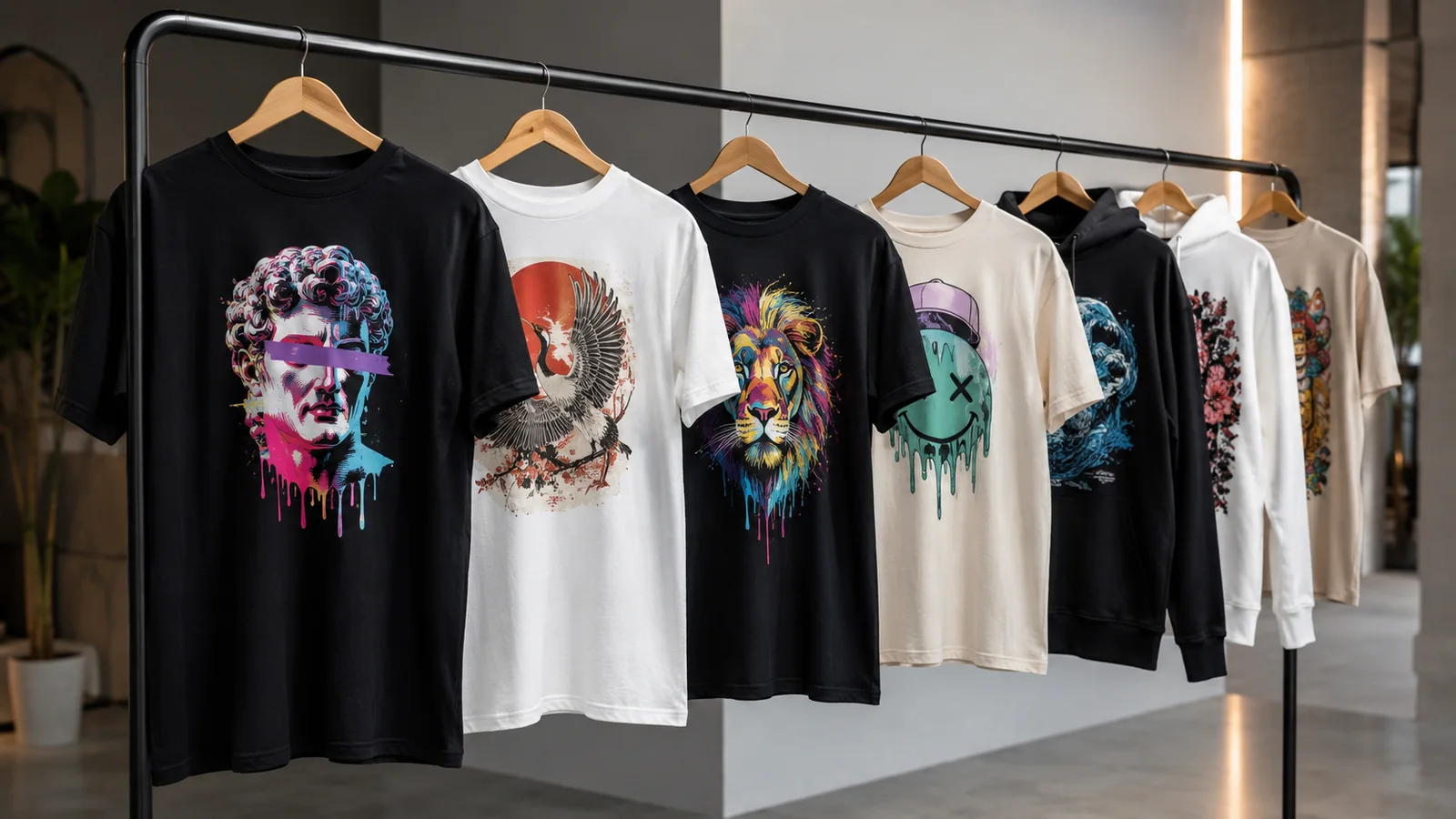
Use Textile DTF when a detailed or full-colour design needs to be heat-applied to a compatible garment or fabric product.
Textile DTF transfers
Full-colour transfers built for garment production.
Professional DTF branding for compatible T-shirts, hoodies, workwear, uniforms, tote bags and apparel. Our public calculator prices the transfer production and standard application to the client item, using the finished logo size and quantity.
Enter the dimensions of one logo and the number of items to brand. The calculator estimates the complete standard branding service.
Supply SVG, EPS, AI, CDR or editable vector PDF—or add the paid redraw/design route.
Where textile DTF fits
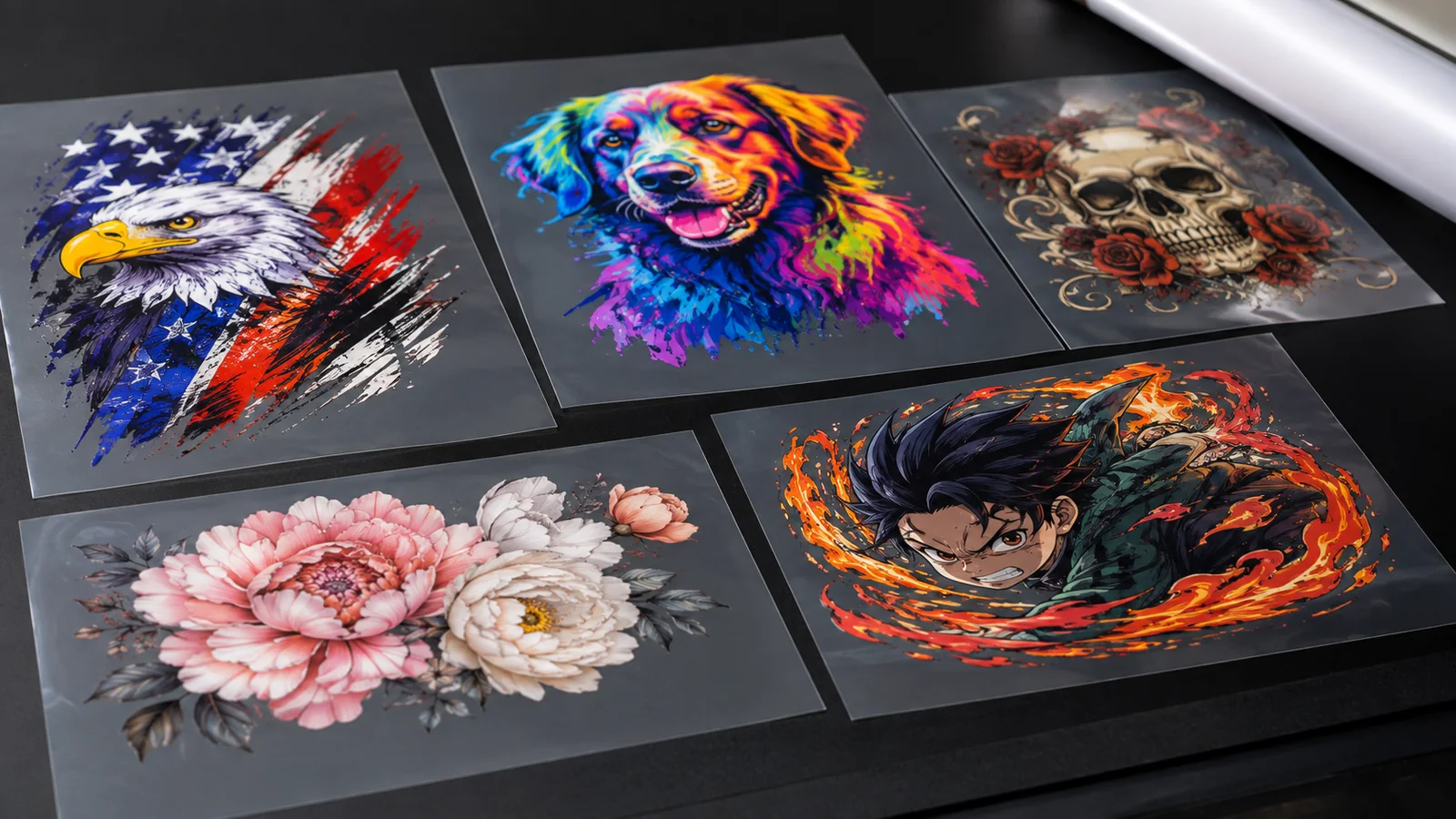
Useful when the artwork is detailed, colourful or changes frequently.
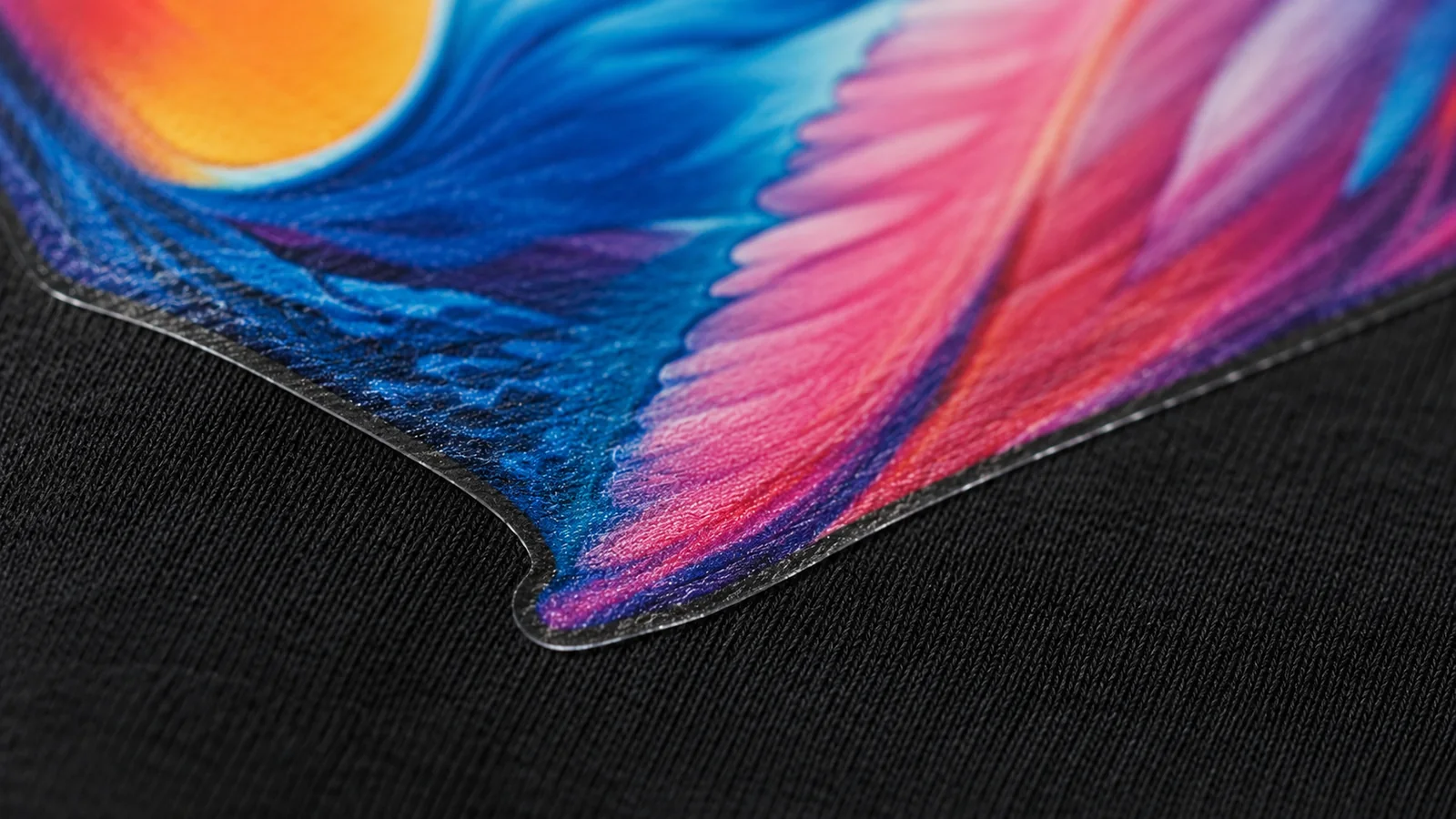
DTF gives brands and decorators a flexible transfer route without requiring separate screens for each colour. The final result still depends on correct pressing, garment compatibility and artwork preparation.
Collections and drops
Produce full-colour graphics for small or repeat garment runs without owning DTF print equipment.
Uniform logos
Useful for compatible polos, jackets, overalls and team wear where consistent repeat logos matter.
Campaign merchandise
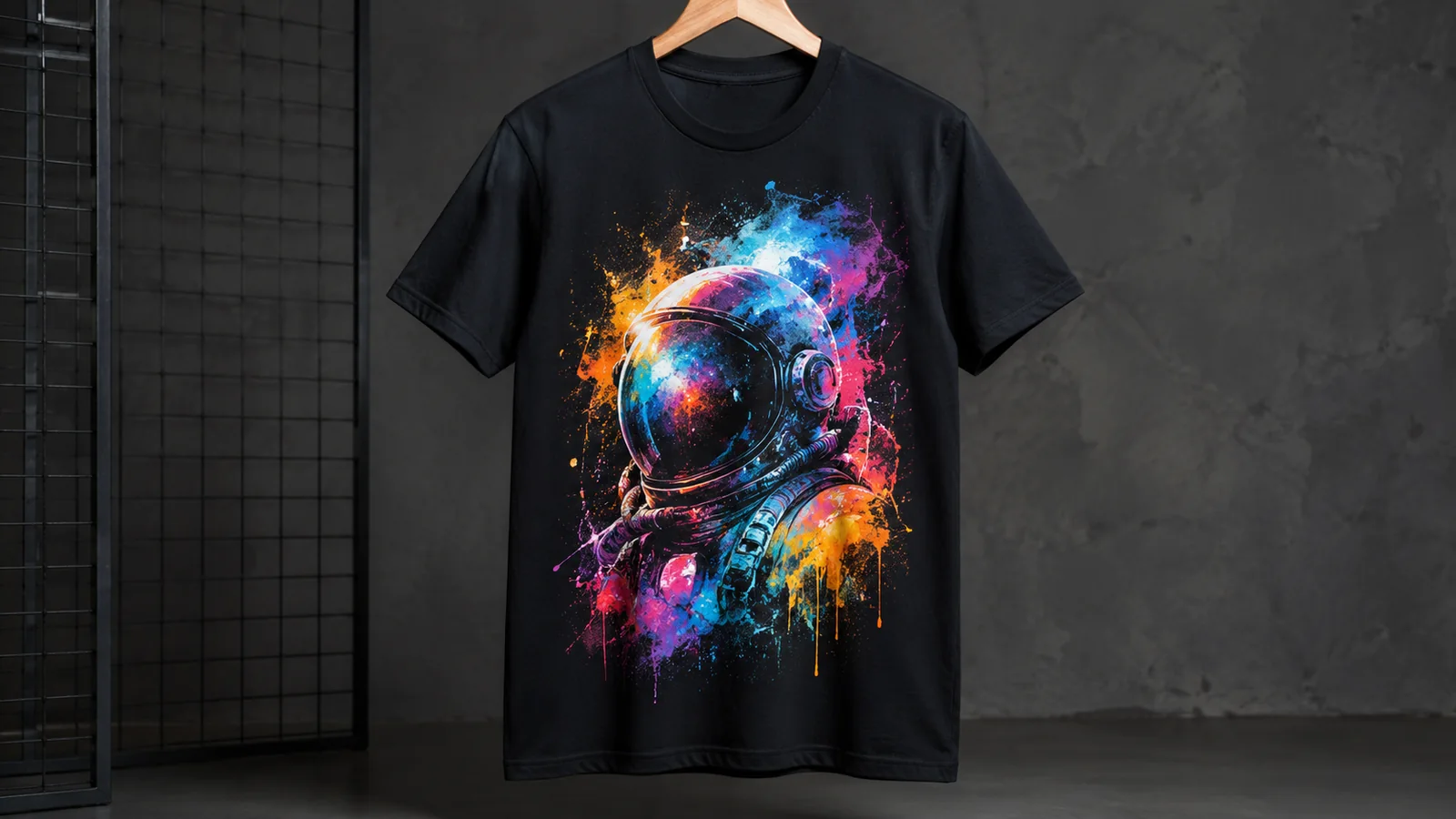
Brand T-shirts, staff apparel and promotional clothing with detailed full-colour DTF applications.
Print shop capacity
For trade requirements, outsource the DTF production layer or discuss a transfer-only workflow separately from the public applied-branding price.
DTF vs other apparel branding methods
Choose the method around the artwork, fabric, quantity and finish.
DTF is not automatically the best answer for every garment. It is especially strong for detailed full-colour work and flexible quantities, while embroidery, screen printing, HTV, DTG and sublimation each have jobs where they make more sense.
| Method | Best fit | Where it is strong | Watch-outs |
|---|---|---|---|
| DTFDTF Hub core method | Full-colour logos, gradients, fine detail, short-to-medium runs and repeat branding | No separate screen per colour; intricate artwork; works across many compatible cotton, polyester and blended garments | Large solid prints can have more hand/feel; substrate and pressing conditions still matter |
| Embroidery | Premium stitched logos, workwear, polos, caps and corporate uniforms | Dimensional stitched finish, strong premium perception, excellent for compact logos | Very fine detail, gradients and photographic artwork may need simplification; stitch density can affect lightweight garments |
| Screen printing | Large runs with simple repeat artwork and limited spot colours | Very efficient at volume; traditional ink finish; special inks and effects available | Setup and colour separations make small, frequently changing or highly multicolour jobs less efficient |
| HTV | Names, numbers, simple shapes and specialty finishes | Excellent for personalisation; glitter, metallic, flock, reflective and other specialty films | Complex multicolour work can require cutting, weeding and layering; large designs may feel heavier |
| DTG | Detailed photographic artwork printed directly onto suitable garments | Direct print with high detail and a soft result on suitable garments | Garment composition and pretreatment matter; less convenient when you want transfers produced in advance for later application |
| Sublimation | White/light polyester sportswear and sublimation-ready products | Ink becomes part of the polyester surface, giving an exceptionally light feel and strong wash performance | Best suited to polyester and light-coloured sublimation-ready substrates; not a general solution for dark cotton garments |
When DTF is the practical choice
Choose DTF when the design is colourful or detailed, quantities are flexible, artwork may change between runs, or you need the same logo applied across several compatible garment types. For very large simple runs, premium stitched logos or specialist finishes, another method may be better.
DTF price calculator
How much will the DTF branding cost?
Enter one logo's finished width and height, then tell us how many items need branding. The estimate includes transfer production, standard application and the artwork option you select.
Size-based branding estimateVAT inclusive
Examples:
Estimate based on the configured production width and 5 mm spacing. The calculator tests upright and rotated layouts automatically.
Estimated amount to pay
R0.00
—
Branding service—
Artwork serviceR0.00
Minimum billable length is 1 m. Thereafter the estimate rounds up to 0.1 m increments. Displayed prices include transfer production and standard application/branding to the client's item. Blank garments/products are not included unless separately quoted. Final production is subject to artwork and substrate approval.
20 m+ branding runs move to a trade review. The selected artwork service is still shown separately.
Artwork standard
Production starts with artwork that can scale cleanly.
DTF Hub requires vector artwork for standard production. A JPG or PNG can look acceptable on screen and still break down when enlarged, separated or repeated.
JPG / PNG is a reference, not the production master.
If this is the best file you have, choose the R350.00 redraw service.
SVG · EPS · AI · CDR · editable PDF
Vector artwork preserves clean geometry at the finished production size and gives repeat jobs a more reliable starting point.
Textile DTF FAQ
Before you press.
These are the practical questions buyers usually need answered before ordering transfers.
What is DTF printing?
DTF stands for direct-to-film. The design is printed as a transfer and heat-pressed onto a compatible fabric or garment.
How much is DTF printing per metre?
The standard online rate is R340.40 per production metre including VAT before applicable volume savings. This public rate includes transfer production and standard application to the client item; the blank garment is excluded unless quoted separately.
Can I order by number of logos instead of metres?
Yes. Enter the finished width, height and number of items to brand. The calculator estimates the production requirement and complete standard branding amount.
Can I upload a PNG?
A PNG or JPG is treated as reference artwork, not the production master. Choose the R350.00 redraw service if you do not have a true vector file.
Is DTF better than embroidery?
Neither is universally better. DTF is often the stronger fit for gradients, fine detail and full-colour graphics. Embroidery is often stronger for a premium stitched finish on polos, caps, workwear and compact corporate logos.
Is DTF better than screen printing?
DTF is especially useful for detailed multicolour work and flexible quantities because it does not require a separate screen for each colour. Screen printing can be more efficient for large runs of simple repeat artwork.
DTF or sublimation?
DTF works across many compatible garment colours and fabric types. Sublimation is especially strong on white or light polyester and sublimation-ready products where an extremely light embedded print is preferred.
Do you deliver outside Johannesburg?
Yes. DTF Hub is based at 1 Chadwick Avenue, Wynberg, Sandton, and delivers nationwide across South Africa. Gauteng orders can arrive next working day. DTF Hub is open Monday–Friday from 08:00–16:30.
Textile DTF production
Know the size? Get the estimate.
Calculate the transfer requirement or submit the order details directly.